What Actually Changed?
1. Noise Cancellation
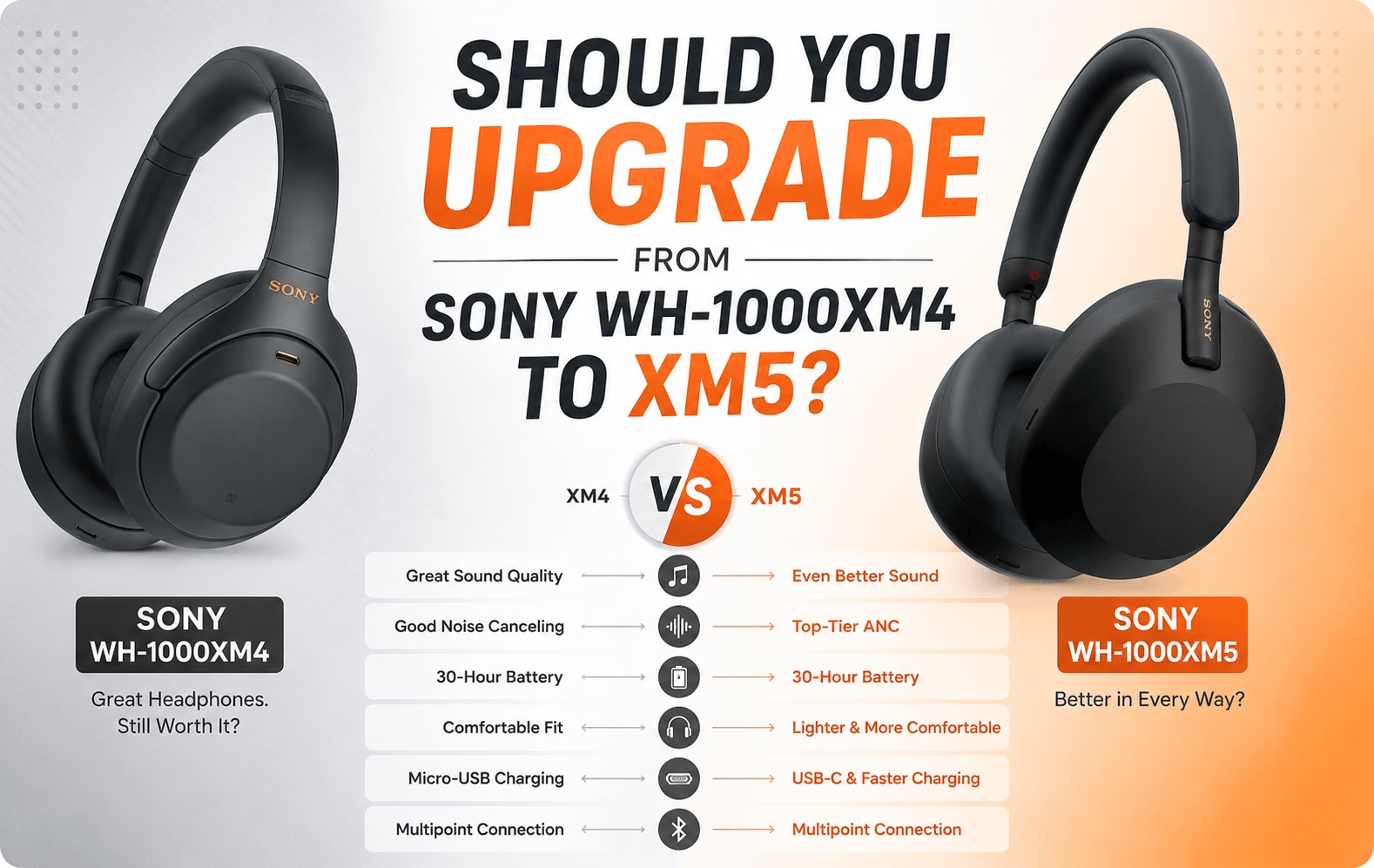
The XM5 makes a genuine improvement in some areas of ANC. Sony increased the number of microphones from four to eight and added the V1 processor alongside the QN1.
Independent testing from SoundGuys found the XM5 handled certain types of wind noise and low-frequency rumble more effectively than the XM4. Other reviewers have also reported stronger attenuation in some high-mid and treble frequencies. Independent Testing
However, this does not mean the XM4 suddenly has poor ANC. The XM4 was already one of the strongest noise-cancelling headphones when it launched, and it remains competitive today.
2. Sound Quality
Sony changed the driver from a 40mm unit in the XM4 to a smaller 30mm carbon-fiber composite driver in the XM5. A smaller driver does not automatically mean worse sound.
What Hi-Fi?'s testing found the XM5 delivered a clearer and more open presentation compared with the XM4. The publication attributed some of this performance to the rigidity of the new carbon-fiber diaphragm. Independent Testing
This is a good example of why specifications should not be judged in isolation.
3. Battery Life
This is one area where official specifications and independent testing tell different stories.
Sony's rated battery life: Both headphones are rated for 30 hours with ANC enabled. The XM4 is rated for up to 38 hours with ANC off, and the XM5 up to 40 hours with ANC off. According to Sony's specifications, ANC battery life is identical. Manufacturer Specs
Independent testing: SoundGuys measured approximately 19 hours with ANC for the XM4 and ~31 hours 53 minutes with ANC for the XM5, under the publication's own controlled testing conditions. Independent Testing
This does not mean every XM5 owner will get exactly 31 hours and 53 minutes. Battery life depends on volume, codec, ANC usage, temperature, and other factors.
4. Design and Portability
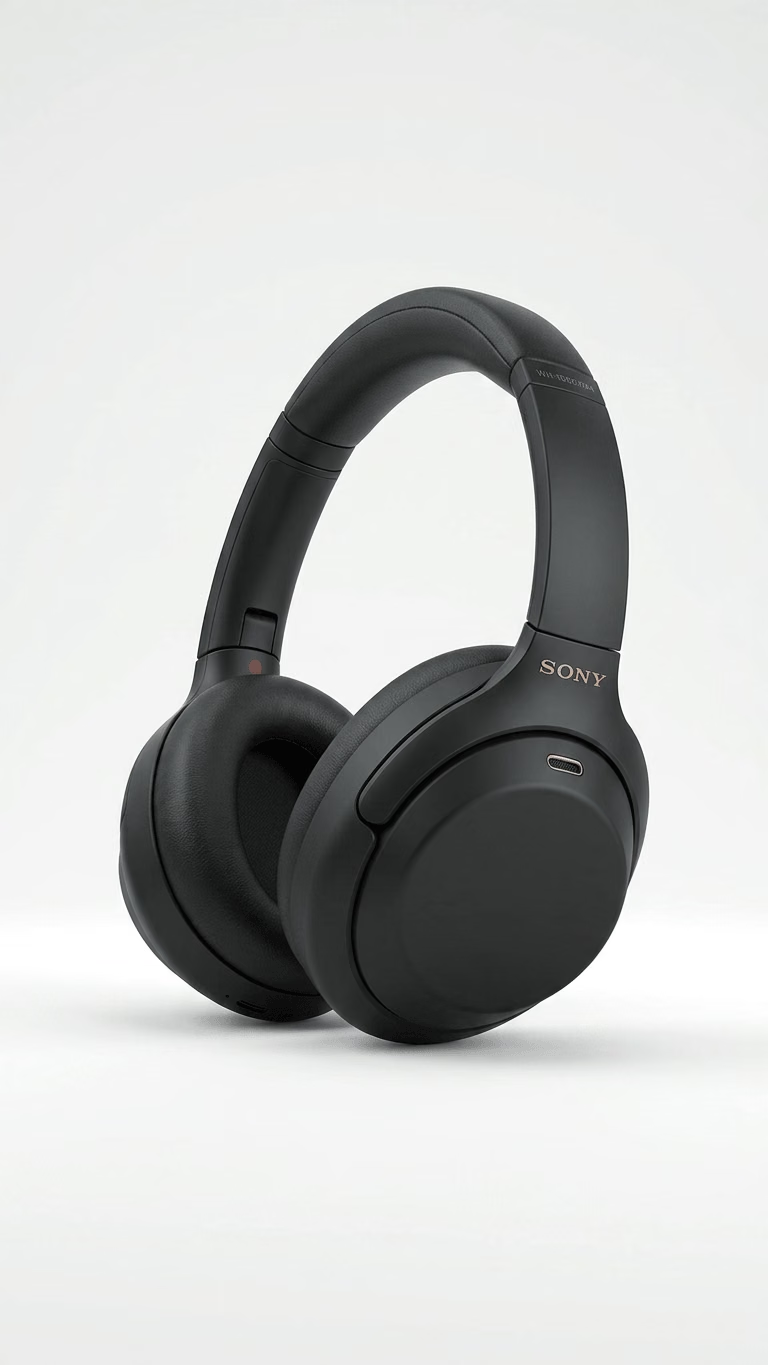
This is one area where the XM4 is arguably better. The XM4 folds into a compact shape, making it easier to put into a backpack or carry-on bag.
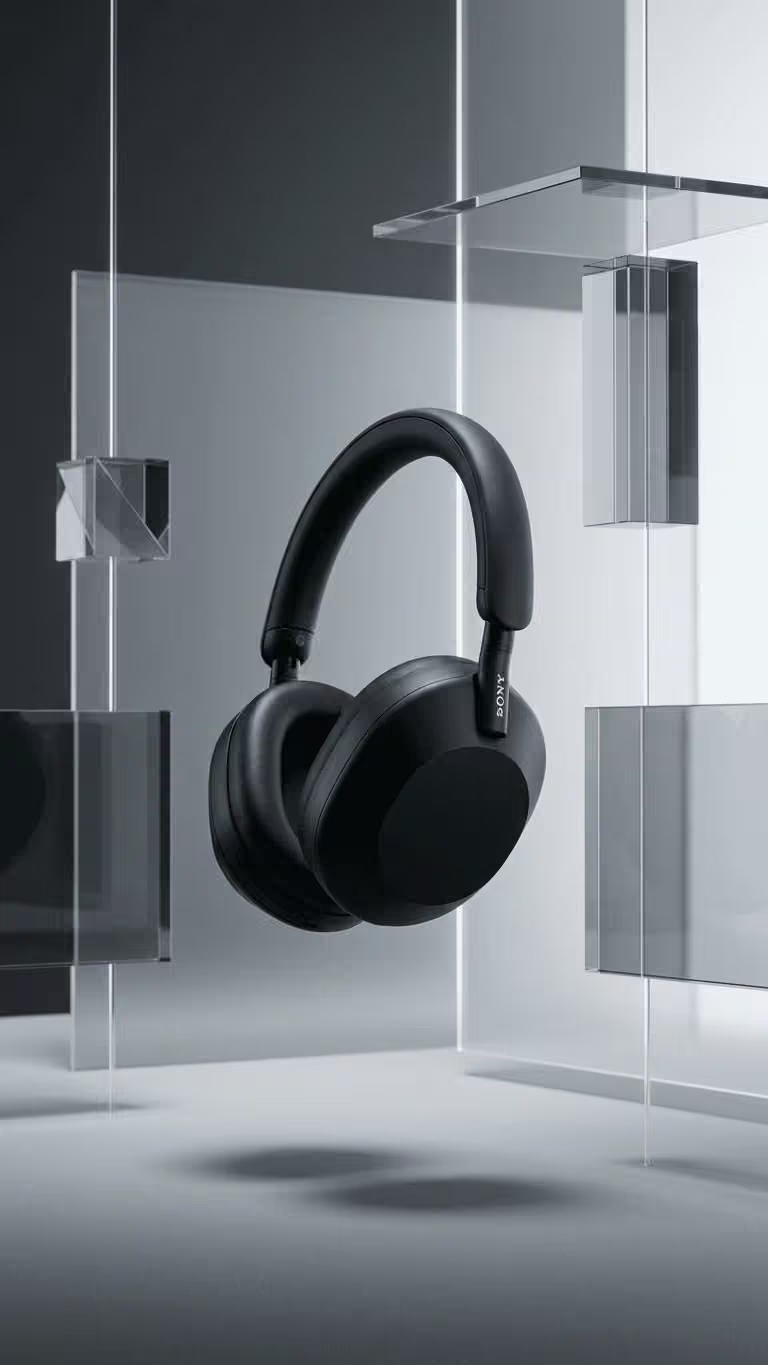
The XM5 changed the hinge and no longer folds into the same compact configuration. The ear cups can rotate, but the headphones remain substantially larger when stored.
For frequent travelers, this can be more important than a small improvement in ANC.
5. Microphone and Call Quality
This is one of the strongest reasons to choose the XM5. Independent reviews and recurring owner feedback generally rate the XM5's microphone and call performance higher than the XM4. Owner Feedback
Sony introduced additional microphones, beamforming, and AI-based noise reduction to improve voice pickup in noisy environments.
If you regularly use your headphones for Zoom meetings, Google Meet, phone calls, remote work, or voice calls while traveling — the XM5's microphone improvement can be meaningful.
6. Build Quality and Hinge Reliability
This is the area where the XM5 deserves additional caution.
Across owner discussions, including Slickdeals threads, retailer reviews, and other online communities, there are recurring reports of the XM5's headband hinge cracking or separating from the ear cup. Owner Feedback
Some owners report the problem after extended use, including reports around the 12–24 month period.
However, it is important to distinguish recurring reports from a confirmed failure rate. Sony has not published a statistic showing what percentage of XM5 units experience hinge failure. Therefore, YallaBuy does not describe this as a proven failure rate or claim that every XM5 has a defective hinge.
The XM5 has a recurring owner-reported hinge durability concern that prospective buyers should be aware of.
This concern is particularly relevant because the XM5 introduced a different hinge design from the folding mechanism used on the XM4. Sony's later WH-1000XM6 returned to a folding design, which makes the XM5's hinge situation even more relevant when comparing generations.